domingo, 30 de novembro de 2008

Saving energy

In House :
Saving energy means reducing the amount of energy used when we perform any act of our daily lives. Using less energy has several advantages - you can save money and help the environment. Production of energy requires precious natural resources, for example coal, oil or gas. Therefore, using less energy helps preserve these resources and keep them longer.


There are several principles that they reduce energy consumption and, consequently, reduce the costs of operating such as:


- Avoid having the lights or the equipment involved, when not needed.


- Search using public transport on the route daily. For short distances choose whether to walk.


- Before you buy new equipment, check the energy label and choose one that make less energy consumption.


-Replace incandescent light bulbs by saving light bulbs. They give the same light, but save 80% of the electricity used and last 8 times more.


- Use the washing machines with full load and a program of low temperature.
Sources:

Non-renewable energy

The non-renewable energy is one that is obtained from sources that in the short or long term, can be exhausting, examples: Oil, coal, natural gas, uranium and oil. The non-renewable sources of energy are currently the most widely used. Fossil fuels (oil, coal and natural gas) are strongly polluters: releasing carbon dioxide when burned, a gas that contributes to the increase in temperature of the atmosphere, causing acid rain, polluting soil and water.


Oil:
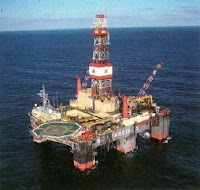
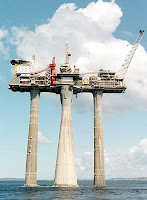
- Oil is a fossil fuel, produced in some areas of the Earth's subsurface. It is the main source of energy today. It is easy to transport, but potential cause of environmental disasters.

Natural gas:
-It found, generally, from oil reserves. It's cheaper and less polluting fossil fuels, but more difficult to extract.


Coal:
- It is one of the most abundant sources of energy but also one of the most polluting


Nuclear fuels:
- A kilogram of uranium is able to produce as much energy as one million pounds of coal. It is a source of radioactivity, and it is very dangerous and complicated use.

Sources:

Images: - http://galeria.blogs.sapo.pt/arquivo/PlataformaPetroleo02.jpg
-http://cleantechnica.com/files/2008/04/coal_hands.jpg

-http://images.google.pt/imgres?imgurl=http://www.inhabitat.com/wp-content/uploads/nuclear.jpg&imgrefurl=http://www.inhabitat.com/2008/02/18/los-alamos-laboratory-harvests-fuel-from-air/&usg=__1i3pfpgIYlgShkE_guPdTrWGwGM=&h=286&w=537&sz=20&hl=pt-PT&start=8&um=1&tbnid=TETHp84-A9tHBM:&tbnh=70&tbnw=132&prev=/images%3Fq%3DNuclear%2Bfuels:%26um%3D1%26hl%3Dpt-PT

Information: - http://tudoenergia.home.sapo.pt/Energias_n_renovaveis.htm

Air Pollution

The atmosphere of the planet is an exception in that it is the rare natural resource that is shared by the entire world. So that the negative effects of this are felt globally.
The greenhouse effect and the consequent destruction of the ozone layer in addition to the cause acid rain, these phenomena that contribute greatly to air pollution are dangerous to the bodies.


Greenhouse Effect


http://www.n-ergise.net/page/climate.cfm


Ozone Layer


http://www.export.gov.il/Eng/_Uploads/4217Environline141.html


Acid Rain


http://science.howstuffworks.com/acid-rain.htm

Acid rain

At present human activities (industries, from automobile exhaust, burning of fossil fuels), throw into the air many tons of toxic compounds such as oxides of sulfur, nitrogen and carbon and smoke going into the atmosphere
They are the most developed countries in the North the main culprits, since launch sulfur dioxide and nitrogen dioxide to the atmosphere in the form of water vapor. Then, return to Earth in the form of acid rain or snow.

Consequences:
-Acid rain is a problem to be taken into account, since they can be transported to places where there is no burning of fuels. And also one of the consequences of air pollution and can cause many problems in life, including humans, animals, plants, soil, water and even in buildings.
-When it reach the surface there is a change in the chemical properties of soil and water. This will cause disturbances at the level of food chains, plants and forests, buildings and monuments.
-The high concentrations of nitrogen oxides in the atmosphere causing irritation of the respiratory tract affecting higher animals and man. Moreover, in the presence of ultraviolet radiation, the gas reacts with unburned hydrocarbons (released, for example, exhaust pipes.

It is important to note that there are natural sources of toxic compounds - volcanic eruptions that occur in specific in time and space while human activities tend to occur in an ongoing global and at double the quantities.

The Ozone Layer

Solar radiation that reaches the Earth's surface, 45% is the visible spectrum (visible light), 45% to 10% infrared radiation and the ultraviolet radiation.
The ozone (O3) is found especially in the upper layers of the atmosphere (stratosphere) to 15 km from the surface and form a shield. This thin layer is the only protection of the earth to filter the ultraviolet rays of the sun, thus allowing the existence of life on Earth.

The constant destruction of the ozone layer leads to an increase in ultraviolet rays (UV), high energy. These rays to reach the Earth will promote the destruction of proteins and DNA, leading to skin cancer, cataracts, changes in the immune system, damage to crops, in fish and plankton that feed.

In several areas, the shield of ozone is getting thinner, allowing the intensification of anything healthy ultraviolet rays and new holes may arise from any populated regions on latitude. The higher the fraction of ultraviolet rays to reach Earth the effects are more serious and smaller populations of fish and crops.

Some advantages and disadvantages of Energy's

Ecological energy:


One of the advantages of renewable energy resources that produce no emissions of greenhouse gases and other emissions, contrary to what happens with fuel, whether fossil or renewable. Some sources do not emit additional carbon dioxide, except those needed for the construction and operation, and does not present any additional risks, such as the nuclear threat.


Renewables Pollutants:


Biomass, as the weight of carbon dioxide by releasing the oxygen to him. This energy is not really an inexhaustible energy, but as we know it is considered a renewable energy. Biomass is used even if only in limited.There is already some doubts regarding the ability of agriculture to provide the necessary quantities of plant mass, seesta source popularize it, which is showing the price increase of grain due to its use for the production of biofuels.But biofuels produced, providing a large amount of carbon dioxide per unit of power so this will be equivalent fossil energy.


There are sources of geothermal energy as pollutants, because the extraction of groundwater in high temperatures are caused by dragging to asuperficie of toxic.
Sources:

sábado, 29 de novembro de 2008

5. Endangered Species

Man has been causing extition of species, because of his personal interests. Those interests are economical, social, cultural and of civilization. The animals are disappeared in very fast way. Some animals are endangered because of natural disasters, but others are endangered because of the Man.
Men build on empty lands, usually considerate as animal habitats. Sometimes animals are put away die. Sometimes they are hunt by Man just for the pleasure, of hunting. Man is making the world a dirtier place, so many animals can not live in it.
That’s why, there are so many endangered species:


Hyacinth Macaw – There only about 3.000 in Brazil, the destruction of its habitat and capture because they are very expensive pets let two its extinction.

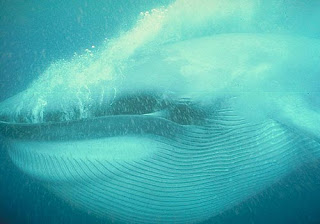
Blue-Whale- It is threatened by fishermen.

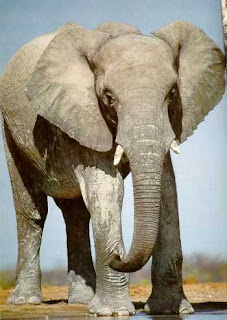
African- Elephant- They live in African and they are threatened because of their teeth.

Mountain gorillas- they live in forests in Africa and they are endangered because of the hunters the destruction of their habitat.

Panda- they live in forests in China and they are endangered because of the hunters the destruction of their habitat.

Rhinoceros- They are critically endangered are only a few species they are threatened because of their horns. The horns of rhinoceros are made of keratin, the same type of protein that makes up hair and fingernails.
Bengal Tiger- habitat losses as the extremely edge scale incidents of poaching are serious threats to species survival. Other factors contributing to their loss are urbanization and a great civilization.

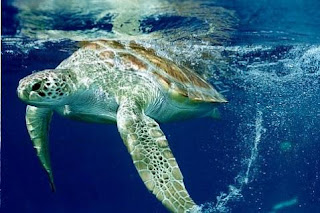
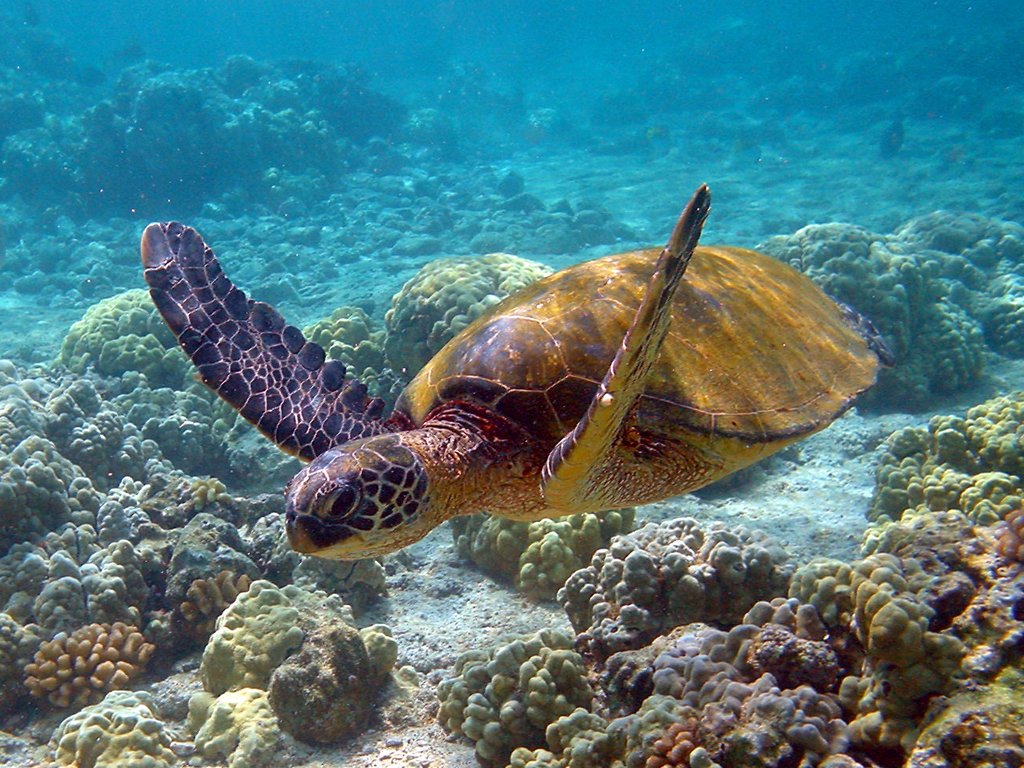
Sea turtle- are found in all the world’s oceans except the Arctic Ocean. They are an endangered species because they are caught for the food industry the flesh and the eggs are considered fine dining. They skin is also valuable.

… And others ….